


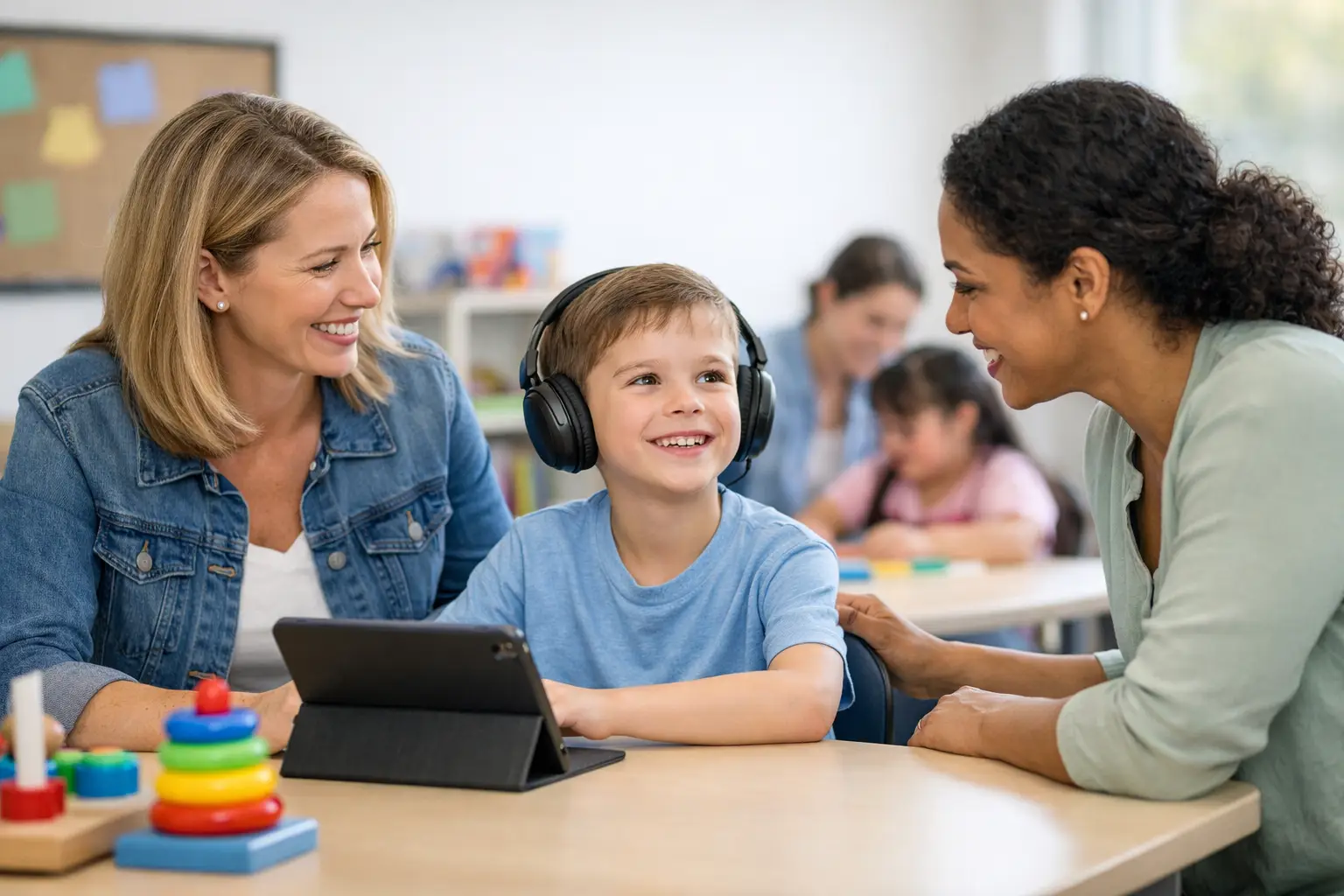
What Does Exceptional Student Education Mean?
A child can be bright, curious, kind, and full of potential while still struggling to keep pace in a traditional classroom. When parents ask, “what does exceptional student education mean,” they are often looking for more than a definition. They want to know whether there is a place where their child will be understood, challenged appropriately, and treated with dignity.
Exceptional student education, often called ESE, refers to specialized educational support for students whose learning needs require more than a standard classroom model can provide. It is not a label that defines a child’s future. At its best, it is a thoughtful approach that recognizes how a student learns, identifies the support they need, and creates a realistic path for growth.
What Does Exceptional Student Education Mean for Families?
Exceptional student education is designed for students with a wide range of learning differences, disabilities, developmental needs, or academic challenges. A child may need ESE support because of a specific learning disability, attention challenges, language difficulties, autism spectrum disorder, intellectual disabilities, emotional or behavioral needs, or another learning profile that affects school success.
The exact meaning of ESE can vary by school setting. In public schools, ESE services are generally connected to formal eligibility processes and an Individualized Education Program, commonly called an IEP. Private schools may structure support differently, but a quality specialized private school should still use clear information about a child’s strengths, needs, evaluations, previous school records, and day-to-day performance to guide instruction.
For parents, the most meaningful question is not simply whether a school uses the term ESE. It is whether the school can explain how it will help your child learn. Can teachers adjust instruction? Is the class size small enough for students to receive attention? Are interventions based on evidence? Will your child be known as a person, not viewed as a problem to manage?
Every child can flourish when the environment matches their needs and when the adults around them believe growth is possible.
Exceptional Student Education Is Individualized, Not One-Size-Fits-All
A student who struggles with reading may need explicit, structured instruction in phonics and comprehension. Another student may understand material well but need support with attention, organization, working memory, or completing assignments. A child with speech and language needs may benefit from therapy alongside classroom instruction. These students may all need specialized support, but they should not receive the exact same plan.
Meaningful exceptional student education begins with individualized instruction. Teachers use assessment results, classroom observations, and student work to determine where a child is now and what comes next. Lessons are then adjusted in pace, format, practice opportunities, and level of support.
This does not mean expectations disappear. It means expectations become appropriate and attainable. A student may need more time, smaller steps, repeated practice, visual supports, direct teaching, or a quieter setting to demonstrate what they know. These accommodations and interventions can help remove barriers without lowering a child’s worth or potential.
Small class sizes are especially valuable because they allow teachers to notice details that can be missed in a crowded classroom. A teacher can see when a student is beginning to disengage, recognize a pattern in errors, reteach a concept before frustration grows, and celebrate progress that may seem small to others but represents meaningful hard work for that child.
Support Should Be Both Academic and Personal
Children do not leave their feelings at the classroom door. Repeated academic struggle can affect confidence, friendships, motivation, and a student’s willingness to try. Some children begin to believe they are lazy, incapable, or simply “bad at school.” Those messages can be deeply discouraging, especially when a child has worked harder than anyone realizes.
Exceptional student education should address the whole child. That includes academic skill-building, but it also includes encouragement, structure, accountability, social development, and emotional safety. Students need patient adults who can correct them with care and help them understand that needing support is not failure.
For Christian families, faith-centered education adds another essential foundation. A child’s value does not rest on a test score, reading level, or speed of completion. Each student is created with purpose and deserves an education that reflects grace, truth, and high expectations. Faith should not be an extra activity added to the schedule. It can shape how a school sees children, responds to setbacks, and builds a culture of belonging.
What Exceptional Student Education Can Look Like at School
The best ESE programs are not built around a single service or worksheet packet. They bring together several forms of support, based on what each student needs. This may include flexible grouping, differentiated instruction, small-group tutoring, individual tutoring, speech therapy, and targeted interventions in reading, writing, math, executive functioning, or social skills.
Flexible grouping allows students to work with peers who are practicing similar skills, rather than being held to a single pace because of their age or grade. Differentiated instruction allows teachers to present material in ways that are more accessible, such as using visuals, hands-on practice, guided notes, repetition, or direct modeling.
A strong program also monitors progress. If an approach is not helping a student move forward, the school should be willing to adjust it. Progress may not always be quick or linear. Some students make steady gains; others need more time, especially after years of discouragement or gaps in foundational skills. Honest communication matters. Families deserve to hear both what is going well and where a child still needs support.
Academic support should also prepare students for the next stage of life. For some students, that means working toward a standard high school diploma. For others, the appropriate path may involve a different pace, transition planning, practical life skills, or carefully selected postsecondary options. The goal is not to force every child into the same college-prep mold. The goal is to help each student develop knowledge, confidence, character, and a meaningful plan for the future.
How Parents Can Recognize a Good Fit
A school can sound supportive on paper while still failing to meet a child’s daily needs. When considering an exceptional student education program, parents should look beyond broad promises and ask practical questions.
Ask how teachers determine a student’s instructional level and how often progress is reviewed. Ask about average class size, staff experience with learning differences, available tutoring or therapy services, and the way the school communicates with families. It is also wise to ask what happens when a student needs more support than expected.
Bring your child’s evaluations, IEP or 504 plan if applicable, report cards, and examples of schoolwork to conversations with prospective schools. These records can help a school give a more honest picture of whether it can serve your child well. A thoughtful school will ask questions, listen carefully, and avoid making promises before it understands your child.
Practical considerations matter, too. Families may need to evaluate campus location, transportation, tuition, scheduling, and scholarship options. Florida scholarship programs, including options for students with unique abilities and educational needs, may help make specialized private education more accessible for eligible families. Because requirements and funding can change, parents should confirm current eligibility and application details directly through the appropriate program.
At Lighthouse Christian School, students in grades 1 through 12 receive specialized instruction in a structured Christian environment designed for learners who need more individualized academic support than traditional schools often provide. With small classes, flexible grouping, differentiated instruction, and additional services such as tutoring and speech therapy, the focus remains on helping students make genuine progress while growing in confidence and faith.
A Better Question Than “Can My Child Keep Up?”
Many parents arrive at this decision after watching their child struggle in a setting that moved too fast, offered too little support, or measured success too narrowly. The question can become, “Can my child keep up?” But a more hopeful and useful question is, “What kind of teaching will help my child grow?”
Exceptional student education means a child does not have to be left behind simply because they learn differently. It means education can be responsive, purposeful, and compassionate. It means teachers can look for strengths alongside needs, provide support without shame, and keep calling students forward.
If your child has begun to lose confidence in school, take time to seek a setting where they can be seen clearly. The right support will not erase every challenge, but it can give your child the skills, encouragement, and steady guidance needed to move ahead with hope.


Comments